


Riddle Test: Brain Teaser Game
4.0671.00 Reviews
App Specs
- Version
- 2.1.6
- Updated On
- License
- Free
- Downloads
- 5,000,000+
- Developer
- Kidding Box Studio
- Categories
- Word
- Platform
- Android, iOS
Screenshots
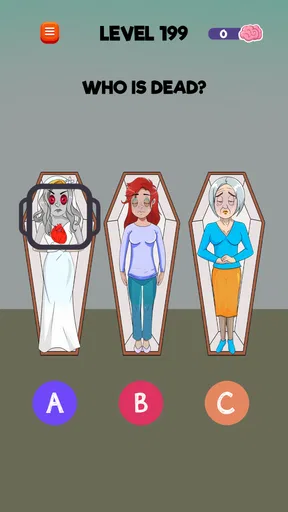
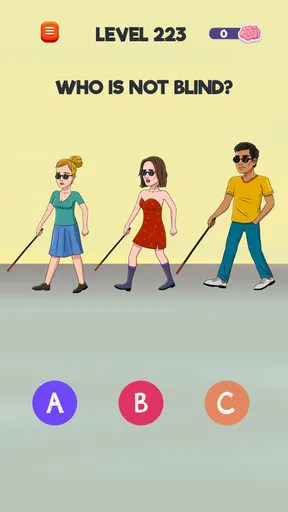
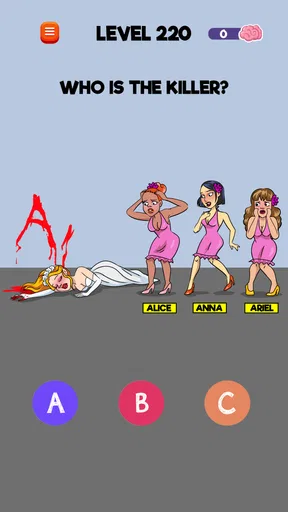
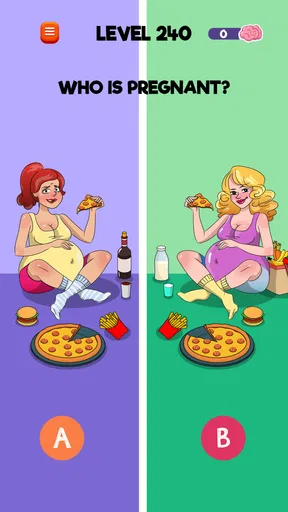
 Analysis by AppCompare
I like word and logic games that can turn a quiet moment into a small shared challenge, and Riddle Test: Brain Teaser Game is an easy one to pass around. Its short riddle format suits a living room break or a wait before dinner: one person reads a puzzle, everyone suggests an answer, and the phone can move to whoever wants to try next. That makes it more sociable than a solitary word-search session, though the fun depends on people enjoying the same kind of lateral-thinking question.
A phone that becomes a puzzle table
In a household, the game works best when people treat each riddle as a conversation starter rather than a race through levels. I’d let each person think aloud before using a hint; hearing different interpretations is often more entertaining than simply reaching the answer. For a short session, agree on a stopping point before opening the game, since level-by-level progression can tempt players to keep going once a tricky answer finally clicks.
That shared approach also makes the game useful for an everyday situation: a few minutes on the couch while waiting for a meal, or a quiet stretch when everyone is in the same room but wants something more engaging than scrolling. It asks for attention without requiring a long setup or a full group activity. If someone would rather solve alone, the same brief puzzle format can still fill a break without turning the phone into a commitment.
Set expectations before handing over the device
Because this is a game played on a phone, I’d decide whose progress and purchases matter before making it a shared-device activity. A child or guest may tap through screens quickly, while the person who owns the device may prefer to keep their own place in the game. Taking turns deliberately and keeping purchase decisions with the device owner are sensible habits, especially since the game is free to start but offers in-app purchases.
I would not assume that sharing a phone automatically creates separate player histories or household profiles. If several people want distinct progress, check how the game behaves on the device before relying on it for that purpose. For an informal group session, a simple turn-taking routine is usually enough; for a player who cares about a personal record, a shared screen may be less convenient than using their own device.
What the group gets—and what it doesn’t
The social appeal is strongest when people can talk through a clue and compare their reasoning. It is not the same as a dedicated party game with structured team rounds, a shared score, or a host-led sequence. I’d use it as a source of individual riddles that a group can enjoy together, not as a replacement for a game designed to manage a whole-room competition.
That distinction matters if you are choosing something for guests or a family gathering. Riddle Test can provide a quick prompt, but the people playing need to coordinate the turn-taking themselves. It is a good fit for a couple of curious players who like discussing answers; a larger group expecting built-in teams or a formal contest may be happier with a purpose-made party game.
Worth Reading Before You Choose

EA SPORTS FC Mobile 26 Is a Bigger Football Game, but It Takes Time

Flipboard Shows What News Apps Must Do Beyond the Feed

Switching to Android Auto Means Rethinking Your Driving Routine

Google Calendar Makes a Crowded Week Easier to Manage

Ludo King Makes the Most of the Minutes Between Plans

Baby Panda World Brings Quick Play to Modern Phones, but Its Game Library Feels Busy
How it feels as a word-and-riddle game
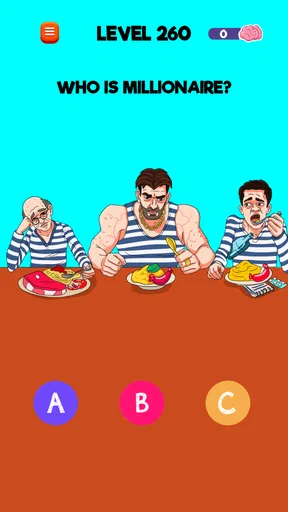
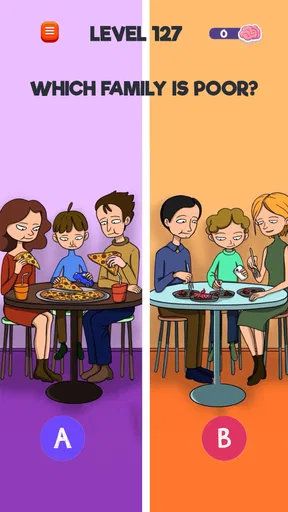
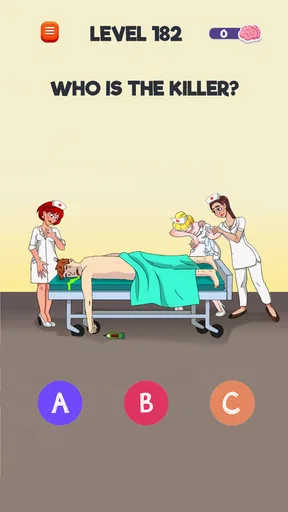
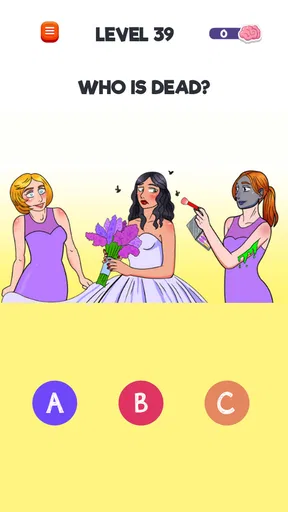
First things first, Riddle Test is exactly what it sounds like—a game packed with mind-bending riddles and brain teasers that’ll have you scratching your head in no time. Whether you’re waiting for the bus or just chilling on the couch, this app is perfect for killing time while keeping your brain sharp.
The app is available on both Android and iOS, so you can get your puzzle fix no matter what device you’re using. The download process is super smooth, and it doesn’t take up much space on your phone, which is always a plus.
Gameplay and User Experience
Once you fire up the app, you’re greeted with a clean and intuitive interface. The design is simple yet engaging, which I appreciate because it keeps the focus on the puzzles themselves. You can jump straight into the action without any unnecessary fluff.
The riddles range from easy to downright challenging, so there’s something for everyone. I found myself getting stumped more than once, but that’s all part of the fun. Each level you complete unlocks the next, and the sense of accomplishment is real when you finally crack a tough one.
One feature I particularly love is the hint system. If you’re stuck, you can use hints to nudge you in the right direction without giving away the answer. It’s a lifesaver for those moments when you’re completely stumped.
Features That Stand Out
There are a few standout features that really make Riddle Test shine. First, the diversity of the riddles is impressive. They cover a wide range of topics and require different types of thinking, so you’re always kept on your toes.
Another great thing is that the app is regularly updated with new puzzles, so the fun never stops. You won’t find yourself running out of challenges anytime soon. Plus, the developers seem really responsive to feedback, which is always a good sign.
And let’s not forget the social aspect. You can share riddles with friends and see who can solve them faster. It’s a fun way to add a bit of friendly competition into the mix.
Who will enjoy it, and who may want something else
As a word puzzle game from Kidding Box Studio, it is aimed at people who enjoy interpreting clues more than filling a grid or building long words from letter tiles. If your usual choice is a crossword, word search, or an anagram game, expect a different rhythm: the challenge here is to make a leap in interpretation, not steadily complete a board. I’d recommend it to curious players who like testing an idea, revising it, and finally spotting the intended angle.
It is less suitable if you want a calm, predictable routine, a deep vocabulary workout, or a game that lets you choose a precise difficulty level. A riddle can feel clever when its wording leads you to an unexpected answer, but it can also feel arbitrary if you don’t share the intended assumption. When that happens, I’d use a hint rather than spend a long time arguing with the phrasing; the point is to enjoy the twist, not prove that only one interpretation is possible.
Hints, pacing, and the small trade-offs
The hint system is useful, but I’d treat it as a limited nudge rather than an automatic first step. My preferred routine is to read a clue once, say out loud what it seems to ask, then try one alternative interpretation before spending a hint. That tiny pause helps keep the answer satisfying. In a group, let everyone offer a guess first; otherwise the hint can end the discussion before it gets interesting.
Progression also shapes how the game feels. Unlocking the next level gives a clear reason to solve the current one, but it can make a player who gets stuck feel as though the rest of the game is behind a single obstacle. If you’re playing with someone younger or less familiar with riddles, offer a nudge or switch turns rather than taking over the answer. That keeps the session welcoming without pretending every clue will suit every player equally.
Riddle Test is free to download, with in-app purchases ranging from $0.99 to $29.99 per item. I see that as a reason to be deliberate around a shared device: the game can be tried without paying, but optional spending should be a decision made by the device owner, not an accidental part of passing the phone around. Players who strongly dislike prompts to spend or prefer a fully fixed-cost game may feel more comfortable with a paid-once alternative.
Age, trust, and choosing the right setting
The game carries a Teen content rating, so I would not treat it as automatically intended for every child just because riddles sound family-friendly. A parent or caregiver should make the call for the particular player and device, and it is worth sitting nearby the first time if the phone is being shared. That also gives you a chance to see whether the puzzle style is a good match and to set a clear boundary around purchases.
Its average rating is 4.0 from around 38,000 ratings, and it has more than 5 million installs. Those figures suggest that many people have tried it, but they do not tell me whether a particular riddle will land with my household. I’d judge it by a short shared session: do people enjoy thinking out loud, and does the hint-based help feel fair? If not, a cooperative board game or a more structured trivia option may suit that group better.
For anyone wondering whether it works for brief play, the format is naturally easy to fit into spare moments: a riddle can be attempted while waiting or during a pause at home. If you want a longer, carefully paced campaign, however, this is not the kind of experience I’d choose. It is better approached as a succession of compact challenges than as a story or a large, coordinated household event.
What to expect before installing
The game was released on November 18, 2021, and its current version is 2.1.4; it requires Android 7.0 or later. It is also available on iOS. I’d check that a device meets the Android requirement before planning to use it on an older spare phone, particularly if that phone is the one the household shares. The age rating is Teen, so the device owner should consider that context as well as who will be playing.
One practical question is whether it can replace a paper puzzle book. For spontaneous riddles and a hint when someone is stuck, the app is more convenient; for screen-free play, easy note-taking, or a puzzle you can leave open on the table, paper is better. Another is whether it works as a group game: it can, as long as players supply their own turns and conversation. The social element adds fun, but the app does not remove the need to coordinate.
Another useful comparison is with trivia apps. Trivia usually rewards recalling facts, while these riddles ask you to interpret what a clue might mean. If your group likes debating wording and spotting a sideways answer, that distinction is a plus. If players prefer clear factual questions, a quiz game will probably feel more satisfying and less dependent on guessing the puzzle writer’s intended reading.
Why You’ll Love It
So, why should you give Riddle Test a try? Well, if you’re a fan of brain teasers, this app is like a playground for your mind. It’s perfect for those who love a good challenge and want to keep their brain in shape.
It’s also great for anyone who enjoys casual gaming. You can pick it up and put it down whenever you want, making it ideal for busy people who don’t have hours to spend on gaming sessions.
Finally, the app is free to download, with optional in-app purchases for extra hints and features. It’s a low-risk investment with a high potential for fun.
In conclusion, Riddle Test: Brain Teaser Game is a fantastic app for puzzle enthusiasts and casual gamers alike. It’s challenging, engaging, and offers endless entertainment. So, what are you waiting for? Download it today and start challenging your brain!
Pros
- Engaging puzzles enhance critical thinking.
- Regular updates with new riddles.
- User-friendly interface and navigation.
- Multiplayer mode for social interaction.
- Adaptive difficulty levels for all ages.
Cons
- Ads can be distracting during gameplay.
- Limited hints may frustrate some users.
- Requires internet for some features.
- In-app purchases can be expensive.
- Some riddles are repetitive.
FAQs for Riddle Test: Brain Teaser Game
What is the primary objective of Riddle Test: Brain Teaser Game?
Riddle Test: Brain Teaser Game is designed to challenge your mind with a variety of puzzles and riddles. The primary objective is to solve these brain teasers to progress through different levels, enhancing your problem-solving skills and cognitive flexibility. It's a fun way to exercise your brain and improve critical thinking.
Is Riddle Test: Brain Teaser Game suitable for all age groups?
Yes, Riddle Test: Brain Teaser Game is designed to be suitable for players of all ages. The game offers a range of difficulty levels, making it accessible and enjoyable for both kids and adults. However, younger children might need some assistance with more complex puzzles.
Does Riddle Test: Brain Teaser Game require an internet connection?
Riddle Test: Brain Teaser Game can be played offline, which means you don't need an internet connection to enjoy the game. However, some features like leaderboard updates and in-app purchases may require connectivity. Playing offline allows for uninterrupted gameplay on the go.
Are there any in-app purchases in Riddle Test: Brain Teaser Game?
Yes, Riddle Test: Brain Teaser Game offers in-app purchases. These typically include hints and additional levels that can enhance your gaming experience. While the game is free to download, these optional purchases can help if you get stuck or wish to expand your gameplay.
How often is new content added to Riddle Test: Brain Teaser Game?
The developers regularly update Riddle Test: Brain Teaser Game with new riddles and puzzles to keep the gameplay fresh and engaging. Updates often include bug fixes and new features based on user feedback, ensuring an evolving experience that maintains player interest.


